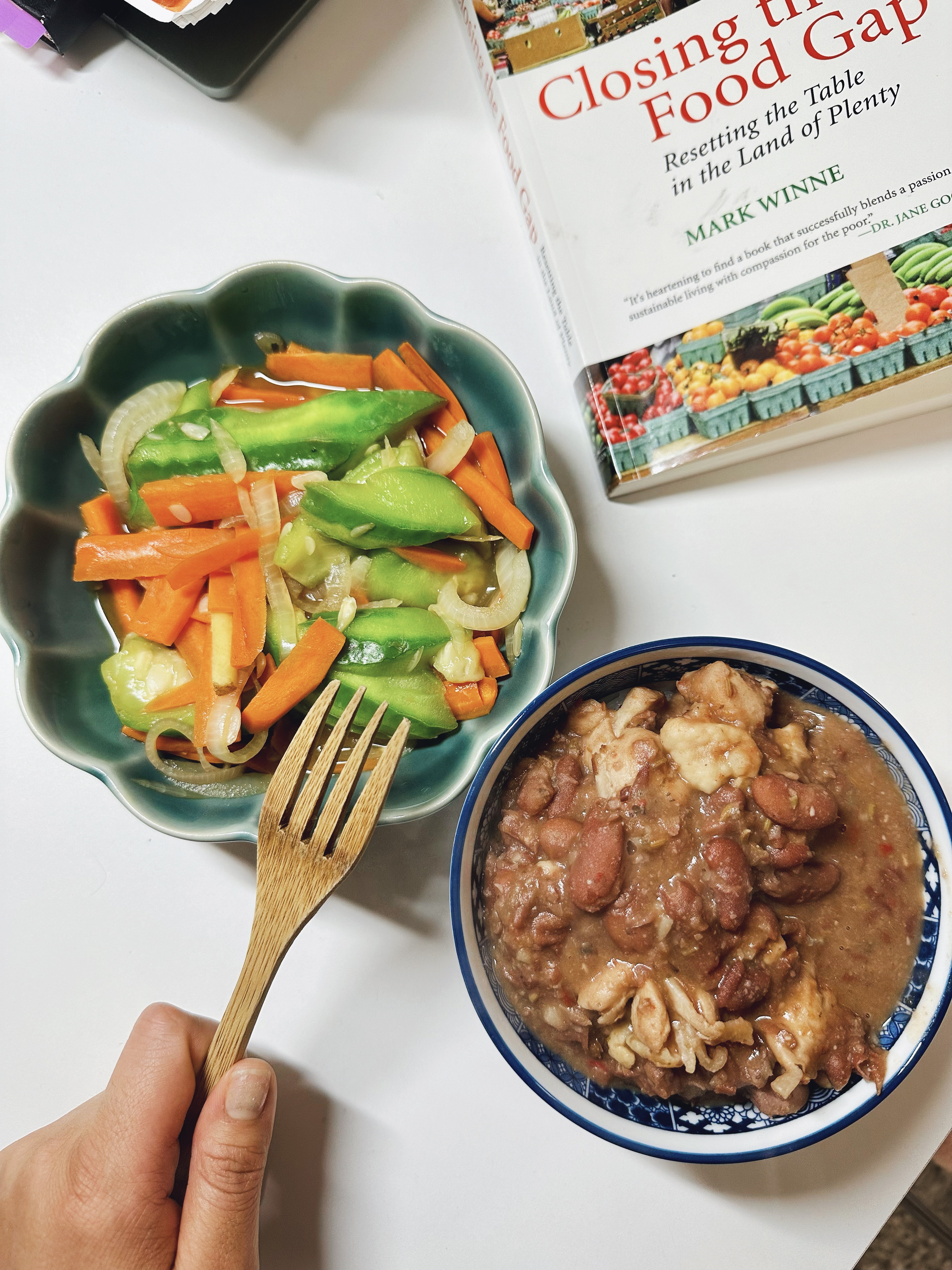
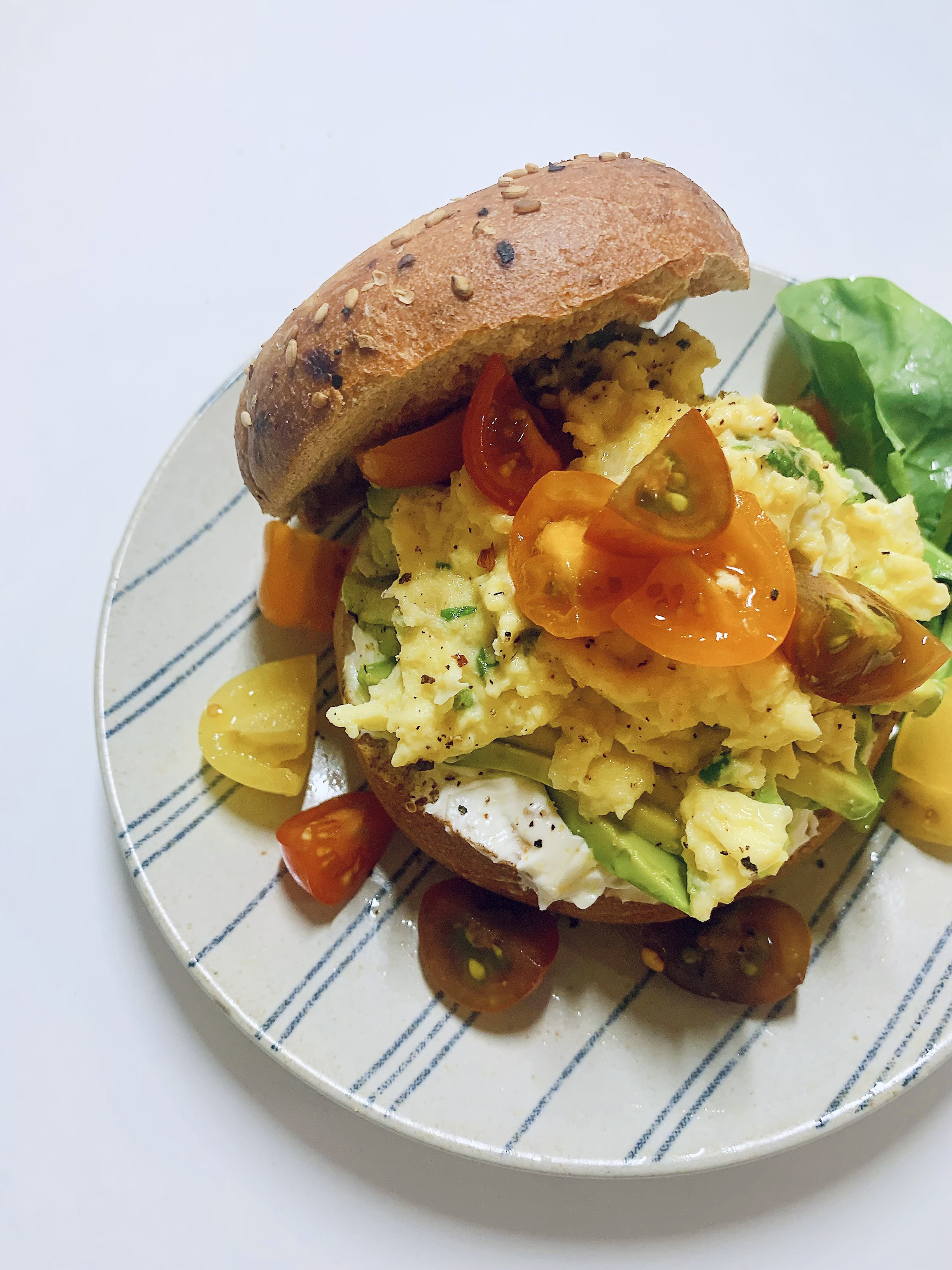
This is a part of my recent assignment; I will try to post how I did my groceries shopping and how I created my meals for 7 days.
Reflection essay on SNAP:
How can we hope to achieve our goals when we are constantly distracted by the sensation of hunger? We are haunted by the fear of knowing that we will not have enough food the next day to survive. This question occurred to me during the week of completing this assignment. The feelings hit especially hard late at night before heading to bed. This assignment was both a challenge and a humbling experience, opening my eyes to the other side of dietetics study. Ultimately, I have developed a new relationship with food and a more profound understanding of SNAP, and how it feels to be a SNAP recipient. Similarly, it enriches my competency and knowledge as a future dietitian to better help clients from disadvantageous backgrounds to achieve a balanced and fulfilling diet.
Since working at a community center, I have assisted many clients complete the SNAP application. It is lengthy and full of information. It never fails to induce anxiety every time I look at it. I can only imagine how that feeling would intensify in an applicant of lower socioeconomic status. Lower literacy levels can also be expected in such a population. Besides being lengthy, the SNAP application contains numerous tricky questions that can indirectly disqualify an applicant from receiving benefits – for example, the questions on assets and what car model an individual owns. They can become countable resources that an individual possesses and factor in determining their eligibility and the amount for food stamps. There are numerous exceptions and explanations need to be stated clearly in the application. Due to the above reasons, I often hear many applicants pay someone “professional” on the street to fill out their application and assist them throughout the process. It truly saddens me to hear that a fortune is made out of people who are desperately in need. (Teacher commentary – Very interesting insight.)
Before carrying out this assignment, I planned daily recipes for the entire week to fit my schedule best. Sometimes, I do not look forward to cooking after a long day working, taking one class, plus homework and other household chores. Planning helped reduce physical and mental exhaustion. It also gave me better ideas and excellent control over how to get the most out of the limited budget while creating nutritious meals.
Secondly, being honest and self-aware of what food items are essential to me, motivates me and helped me stay committed to the meal arrangements. For example, having high-quality protein sources consistently throughout the week were necessary. I knew that would bring me sense of satiety and satisfaction. Therefore, I purchased chicken drumsticks, a significant percentage of my budget. To compensate for that cost, I reevaluated the role of coffee and sugar and concluded the insignificant nutritional values they hold in this project. In hunger, coffee and condiments became luxuries rather than necessities.
Sticking to the budget took time and involved resolving internal conflicts, given the ideal SNAP amount of $70 weekly. It was difficult for me to give up on morning coffee since it’s a deep-rooted daily ritual. In addition, a cup of good coffee signals the start of a good day. Taking the coffee out made my day feel somewhat incomplete and gloomy. Being unable to use condiments or aromatics like I used to in cooking also made everyday meals less enjoyable. At some point, after I warmed up my lunch in the office, I felt ashamed of eating my lunch out in the open. I was afraid that others might judge or ask me when I only had pieces of vegetables, luncheon meat, and white rice, “Is that all you are having?”
It became even more difficult when I had a long day and felt physically and mentally exhausted. I cannot help but think of when I could order take-outs. Although the SNAP amount had provided me with relief and food to survive, it also brought me a sense of despair.Furthermore, eating the same meals made me feel like I had no options and was losing my autonomy.
Most of my energy came from carbs and fat, according to reports from Coronmeter. Daily caloric consumption surpassed my calculated needs. Yet, I was often hungry due to being high in daily physical activities. My nutrition intake values reach at least 85% of all targets six days a week. According to the USDA, adults should consume about 45%-65% of their energy from carbohydrates, 20%-35% from fat, and 10%- 35% from protein. My consumption of each category throughout the week mainly fell between ranges. I was only 76% on target on day three. Nevertheless, I was not surprised since my priority that day was to spend less time preparing meals, and ramen noodle soup became my number one choice. Consequently, sodium intake doubled and exceeded the recommended value on the same day. In the long run, consistently consuming food high in sodium will adversely affect my health. Iron was another micronutrient I paid attention since I could not afford to purchase many animal products with this budget. My iron intake fell below the adequate intake value for an individual my age five out of the seven days. As a female in her menstruating and childbearing age, it’s a bit concerning.
If I were to be on budget for a more extended period, I would research how to eat on a budget and look up local resources, such as food pantries and soup kitchens. Looking up more ways to diversify my food choices and ideas to create more nutritious combinations and sustainable meal patterns that serve my appetite and address personal health concerns. ( teacher commentary Anything more specific? This would have been a good thing to look up for this assignment -.2 )
While doing this project, I had the idea of starting an online community, perhaps a Facebook group where individuals could share or exchange surplus resources who reside within a particular area. We could also try to connect with store vendors and ask permission to take on items that didn’t sell as donations at the end of the day. (teacher commentary- Interesting idea!) Hopefully, this method will help us make up for what we lack in our diet, but stay within our budget.
After feeding myself a week on a SNAP budget, I gained more awareness of what’s like to be a recipient of SNAP. I developed more empathy for program participants. I truly understand the hardship of living under budget. What I would not know completely is what participants are experiencing physically and emotionally from day to day – how they feel inside when they face hunger. I should carefully consider their living situation and tight budget in counseling and avoid giving unsuitable nutrition advice. Moreover, I hope to discover and connect participants to other available resources, including mental health services or job training, that can help them or their families. (Teacher commentary – How would you help extend their SNAP budget? Some strategies I would suggest is thinking about is buying in bulk. It can be especially cost effective with dried goods such as with legumes and grains. Also always buying produce in season is cheaper. Buying frozen over fresh is a good strategy. I also suggest optimizing SNAP benefits by going to farmer’s markets and utilizing health bucks. -.5)
Overall, I have a negative impression of SNAP based on personal and professional experiences. The process of filling out an application and interviewing for SNAP often needs to be clarified and simplified. In some cases, mentioned in the book, there is only one SNAP center in a remote location. The creation of SNAP did not reduce the demand for/need to purchase regular commercial food. Although the amount of benefit provides an essential safety net for participants, its assistance never meets an individual’s or family’s needs in times of struggle. Creating nutritious meals with SNAP benefits requires an individual’s time and knowledge, which they often lack, to work on budgeting, planning, and food preparation. Without proper nutrition education and a lack of healthy choices/options in grocery stores where these participants reside, food with high calories yet insignificant nutritional values are the norm, if not he only option. As we move forward, I suggest that SNAP make its nutrition education a more participants reside, food with high calories yet insignificant nutritional values are the norm, if not the only option. As we move forward, I suggest that SNAP make its nutrition education a more visible component of the program providing additional ideas and community resources to those in need to get the most out of the dollar and maximize their health. (Teacher commentary – Valuable point! Missing a reference to one of the readings -.5)
Please feel free to leave some comments and feedbacks, what are your thoughts/experience about SNAP?
LT 12/1/2023
 sweet-willows.com